INFORMATION on the XVI International Scientific Conference “Biologically Active Compounds: From Chemistry to Medicine”
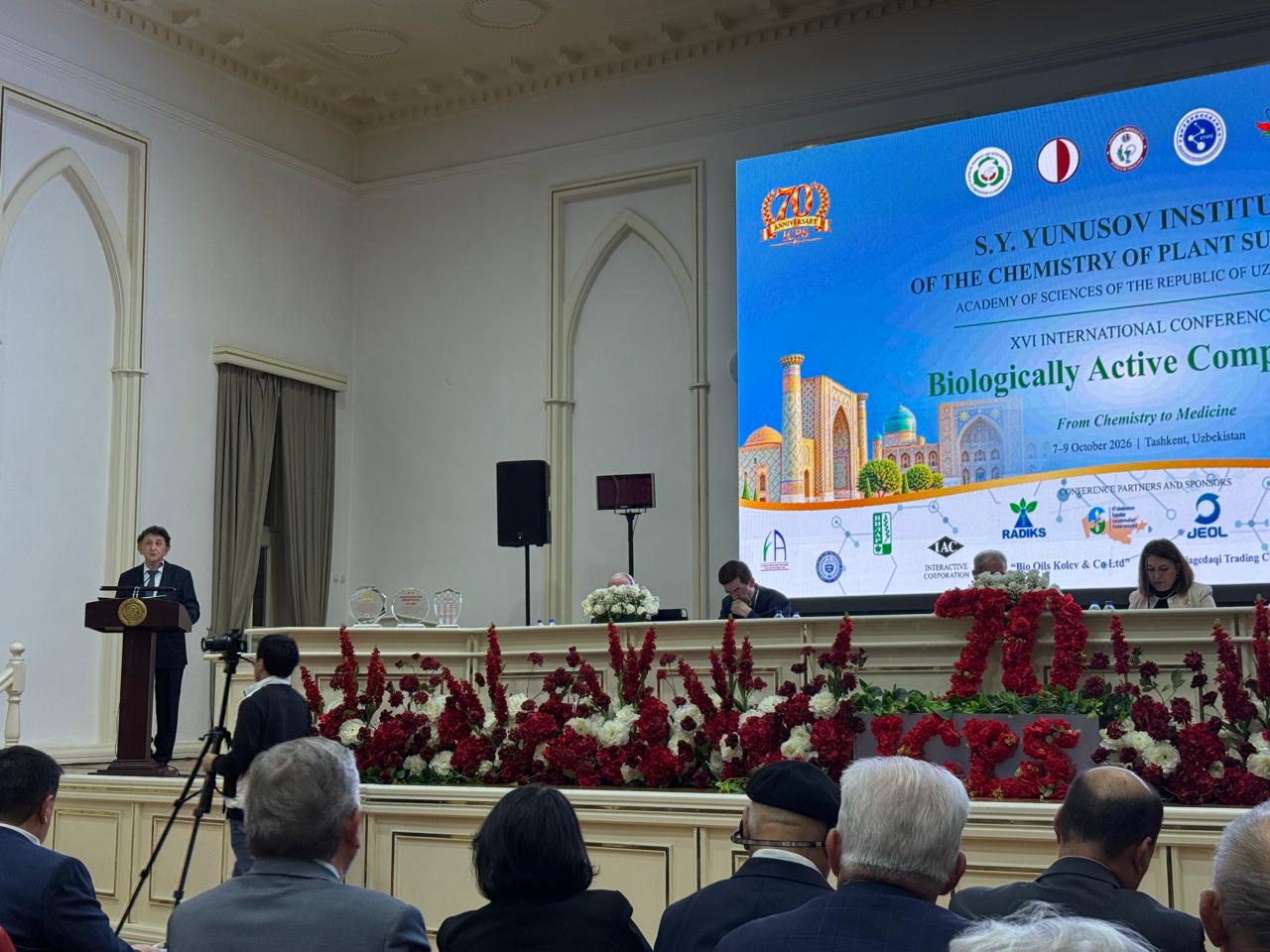
The XVI International Scientific Conference “Biologically Active Compounds: From Chemistry to Medicine”, organised by the S. Yu. Yunusov Institute of the Chemistry of Plant Substances of the Academy of Sciences of the Republic of Uzbekistan, was held in Tashkent from 7 to 9 October 2026.
The conference was dedicated to two significant anniversaries:
- The 70th anniversary of the S. Yu. Yunusov Institute of the Chemistry of Plant Substances (1956–2026);
- The 40th anniversary of the introduction of the original antiarrhythmic drug Allapinin into clinical practice
The Institute was founded in 1956 by Academician S. Yu. Yunusov and, over seven decades, has become one of the leading centres for natural products chemistry in Central Asia. Researchers at the Institute have investigated numerous alkaloids, flavonoids, terpenoids and other plant-derived compounds, leading to the development of original medicinal products. The best-known of these is Allapinin, an original antiarrhythmic drug based on the alkaloid lappaconitine, which has been used in cardiological practice for 40 years.
Since 1965, the Institute has published the international scientific journal Chemistry of Natural Compounds, which is translated into English in the United States and indexed in Scopus and Web of Science.
The conference brought together 144 scientists from Uzbekistan, Kazakhstan, Russia, China, Türkiye, Portugal, Azerbaijan, Hong Kong and several other countries, specialising in natural products chemistry, phytochemistry and the pharmacology of plant-derived substances.
The scientific programme of the XVI International Scientific Conference comprised 61 plenary lectures, 35 oral presentations and 59 poster presentations.
The presentations covered the following principal scientific areas:
-Chemistry, biology, technology and biotechnology of natural compounds;
- Diseases and Health: China (Xinjiang) – Central Asia;
- Antiarrhythmic Drugs: 40 Years of Clinical Use of Allapinin.
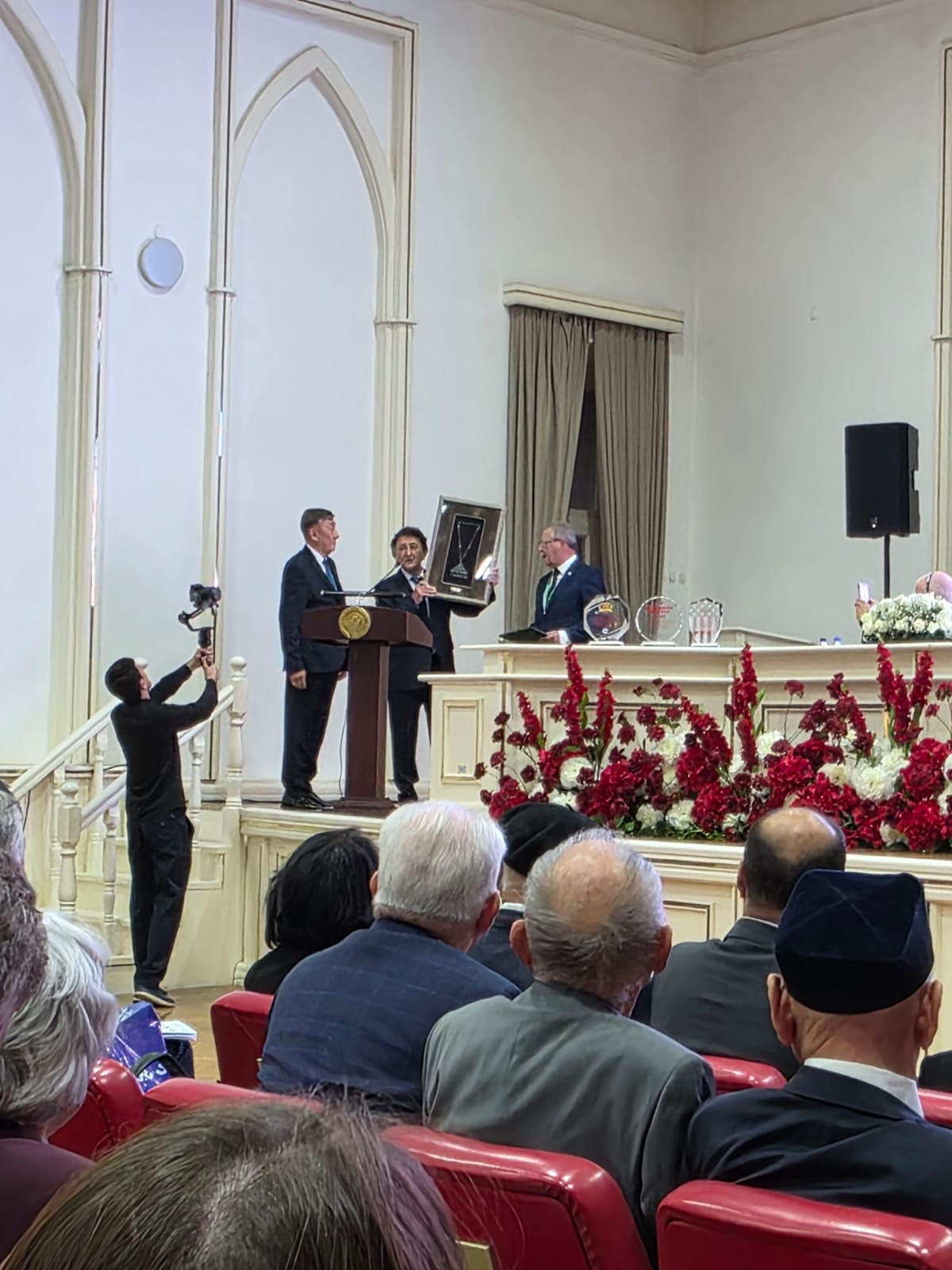
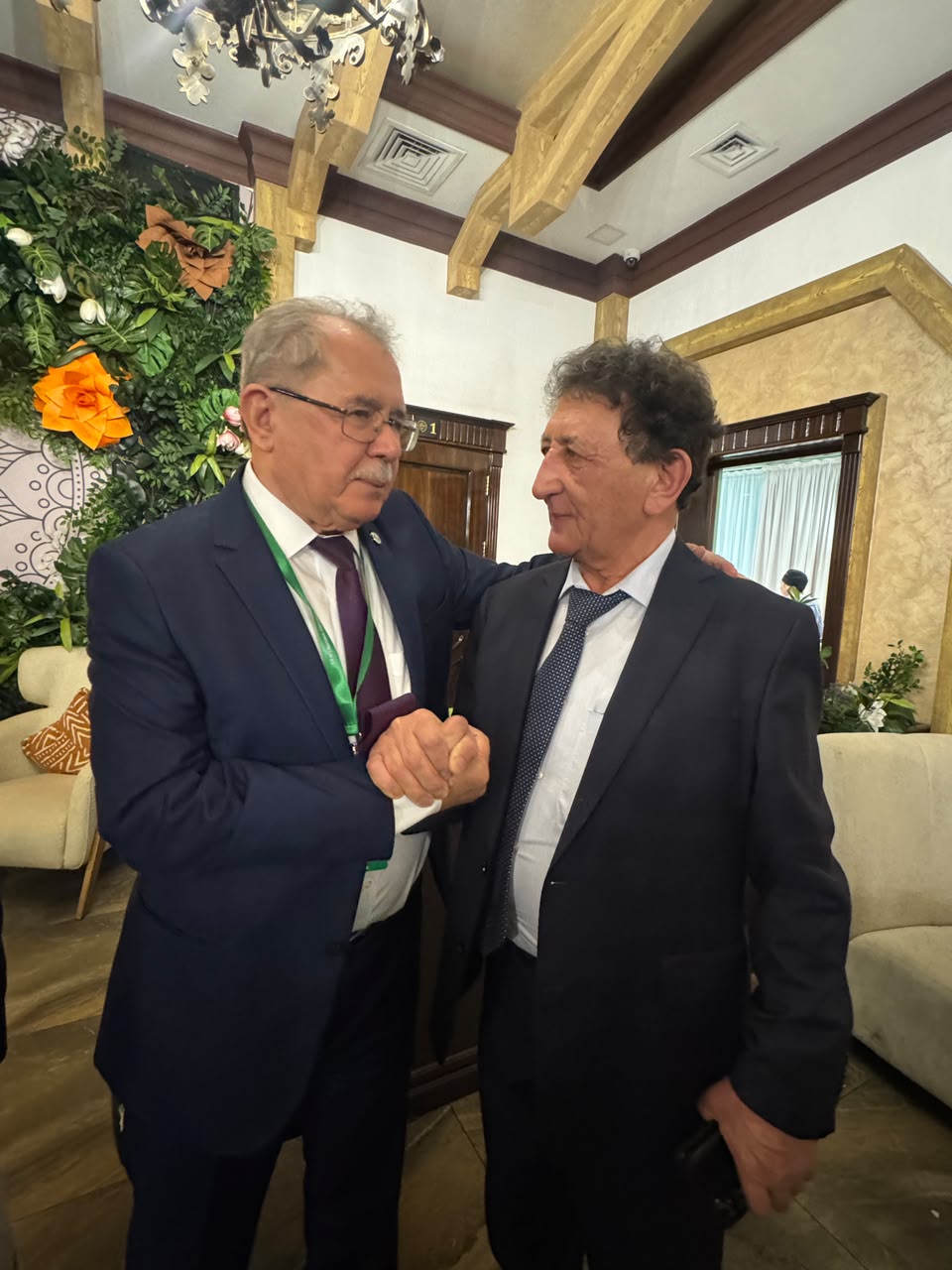
Particular attention was drawn to presentations reflecting the diversity of contemporary medicinal chemistry and natural products chemistry. Academician S. O. Bachurin presented a lecture entitled “Novel γ-Carboline and Carbazole Derivatives as Promising Drug Chemotypes for the Treatment of Neurodegenerative Diseases” (Russia); Academician Sh. I. Salikhov delivered a presentation on “Antiviral Activity of Broad-Spectrum Plant Polyphenols against Human Herpesviruses” (Uzbekistan); and E. I. Musabaev discussed “Therapeutic Prospects for Chronic Viral Infections” (Uzbekistan). Chemical transformations, synthesis and biological activity were addressed in presentations by Academician Qilin Zhou, “Asymmetric Hydrogenation of Ketones and the Synthesis of Chiral Pharmaceuticals” (China); Academician A. V. Kuchin, “Targeted Chemical Transformations of Natural Compounds to Obtain Promising Drug Candidates” (Russia); Professor K. H. C. Başer, “Carvacrol and Its Biological Activity: An Updated Review” (Northern Cyprus); Professor S. M. Adekenov, “Novel Compounds Based on Natural Sesquiterpene Lactones: Structures and Biological Activities” (Kazakhstan); Professor Anake Kijjoa, “Terrestrial and Marine Fungi as Sources of Promising Molecules for Drug Discovery” (Portugal); Professor I.V. Fateev, “Enzymatic Synthesis and Antiherpetic Activity of Alkyl-Substituted Deoxyribosides of 5-Phenyl-1,2,4-triazole-3-thione” (Russia); and Professor Hamada Haba, “Phytochemical Characterisation and Pharmacological Properties of Selected Medicinal Plants of the Algerian Flora” (Algeria).
 |
 |
 |
The session devoted to molecular tools and advanced delivery technologies featured presentations by I.M. Ryzhov, “Functionalised Synthetic Lipids as Molecular Tools for Cell Surface Engineering” (Russia); N.V. Shilova, “Functionalised Synthetic Lipids: Applications in Biology and Medicine” (Russia); and Professor M.R. Muydinov, “Technology for the Development of Hydrophobic, Biocompatible and Selective Nanosorbents for Medical Applications” (Uzbekistan). Academician S.M. Deev addressed aspects of targeted anticancer therapy (Russia). These presentations demonstrated the potential of synthetic lipids, nanosorbents and targeted delivery systems in biomedicine.
Research in pharmacology, molecular mechanisms and bioactive metabolites was presented by Professor Guijuan Zheng, “Uvaol Attenuates Myocardial Infarction by Reducing Inflammation and Pyroptosis through Suppression of the NLRP3 Inflammasome Signalling Pathway” (China), and Professor Ruchilak Rattarom, “Natural Compounds as Sources of Anti-inflammatory Agents” (Thailand). Sarah Westarp (Germany) delivered a presentation entitled “Chemoenzymatic Synthesis of Nucleoside Analogues: Thermodynamic and Kinetic Reaction Control”, highlighting advances at the interface of enzymatic and organic synthesis. Other notable presentations included Professor Louyi Wang, “Genetic Engineering of Sorangium cellulosum: A Platform for Deciphering Secondary Metabolism in Myxobacteria” (China); Professor A. Efimenko, “Human Cells and Their Secretome as Tools for Regenerative Pharmacology” (Russia); Professor Eldar Garayev, “Alkaloid Profiling of Thalictrum minus L. Roots and In Vivo Evaluation of Toxicological, Biochemical, Haematological and Ultrastructural Effects Following Subacute Exposure” (Azerbaijan); Professor Hyun Uk Kim, “Engineering Oilseed Crops for the Sustainable Production of Functional Fatty Acids” (Republic of Korea); and Professor Wan M. N. H. Wan Salleh, “Natural Product Discovery in Malaysian Flora: Essential Oils and Secondary Metabolites – New Insights into Essential Oils and Secondary Metabolites” (Malaysia).
Professor Weiliang Zhu, in his presentation “Artificial Intelligence in Drug Discovery and Repurposing” (China), demonstrated the role and advantages of artificial intelligence in pharmaceutical research and drug development.
A special session commemorating the 40th anniversary of the introduction of Allapinin into clinical practice highlighted the Institute’s contribution to the development of cardiovascular pharmacology. The session included presentations by Academician M.S. Yunusov, “Antiarrhythmic Agents Based on Diterpenoid Alkaloids” (Russia); Professor V. M. Yunusov, “Lappaconitine Hydrobromide (Allapinin): Clinical and Experimental Perspectives” (Russia); and K.P. Cheremnykh, “Modification of Lappaconitine through Multicomponent Reactions to Obtain Pharmacologically Promising Compounds” (Russia). Dr S.Sh. Srozhidinov (Uzbekistan) addressed an important clinical issue in his presentation “Cardioembolic Stroke in Uzbekistan: Epidemiology and Diagnosis”.
Overall, the conference provided an opportunity to review the achievements of the scientific school established by Academician S. Yu. Yunusov over several decades and to highlight its contribution to the development of Uzbekistan’s pharmaceutical industry. For international participants, the conference offered an opportunity to become acquainted with the research achievements of Uzbek scientists, discuss potential joint projects and strengthen scientific cooperation across the region.
During the conference, an exhibition of original medicinal products developed at the Institute of the Chemistry of Plant Substances was organised, together with a display of materials documenting the 70-year history of its scientific school.
Conference broadcast: https://youtube.com/live/UzHcWmAtD-U?feature=share.
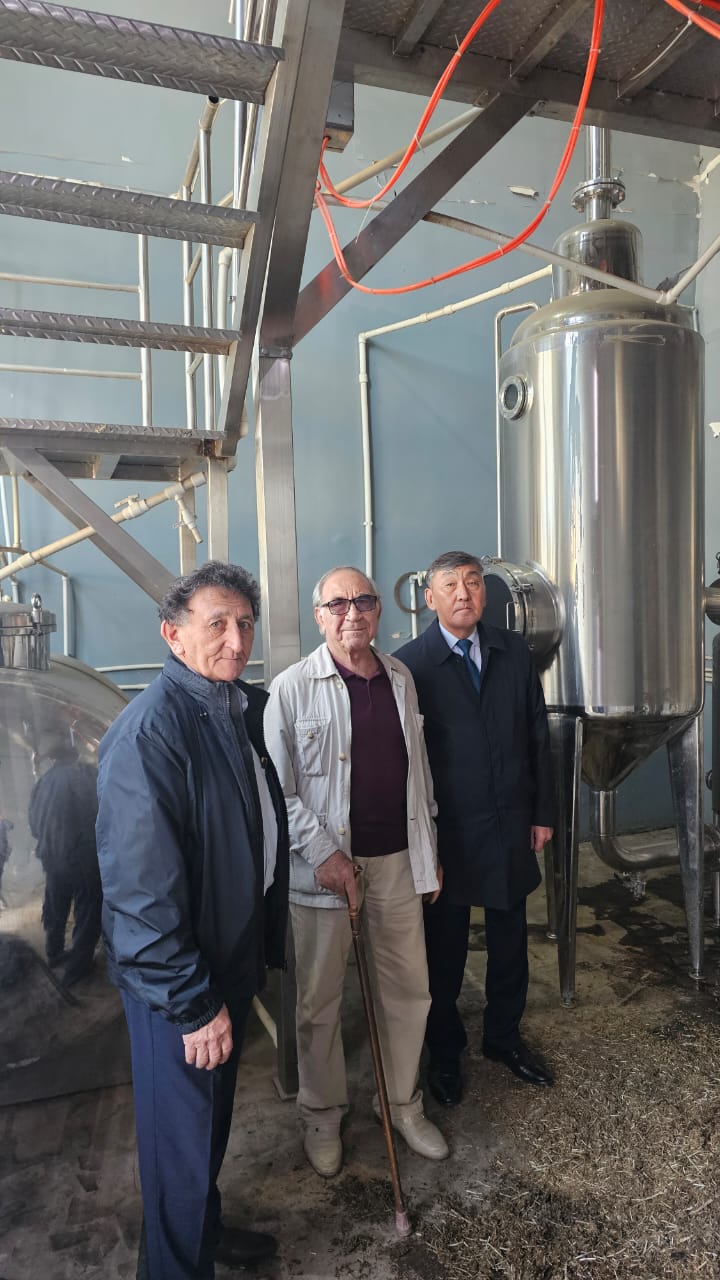
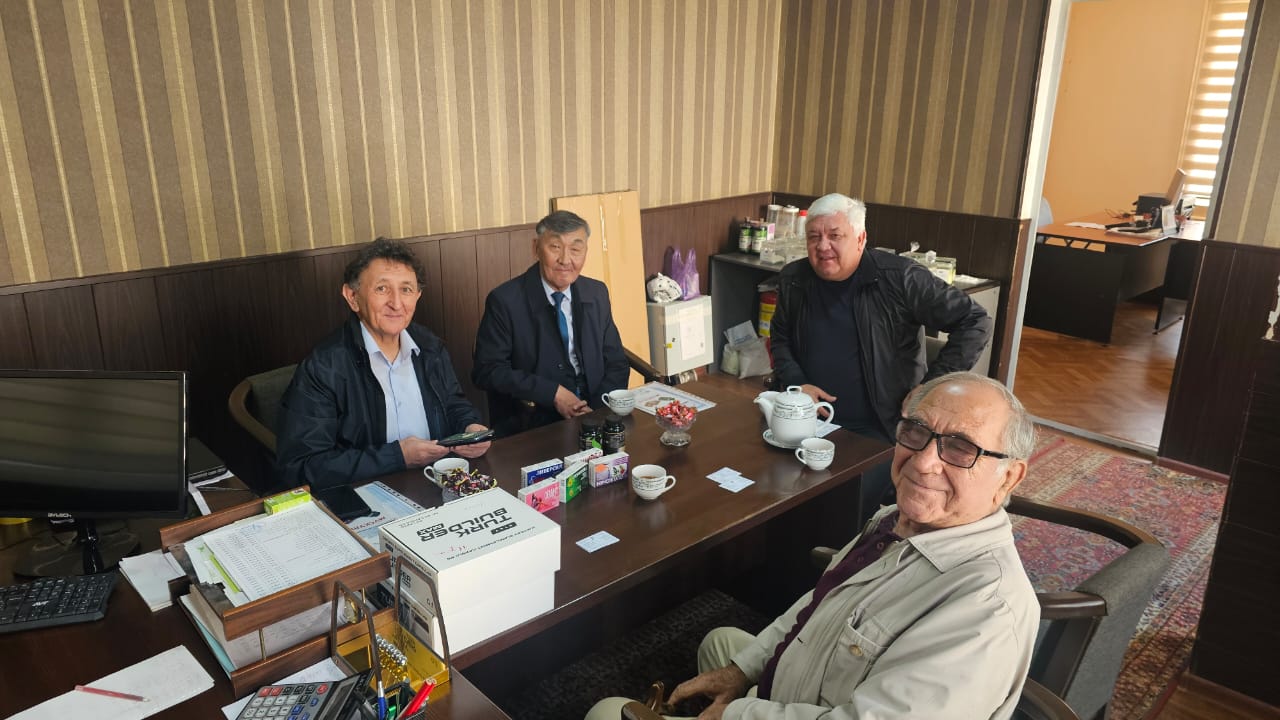
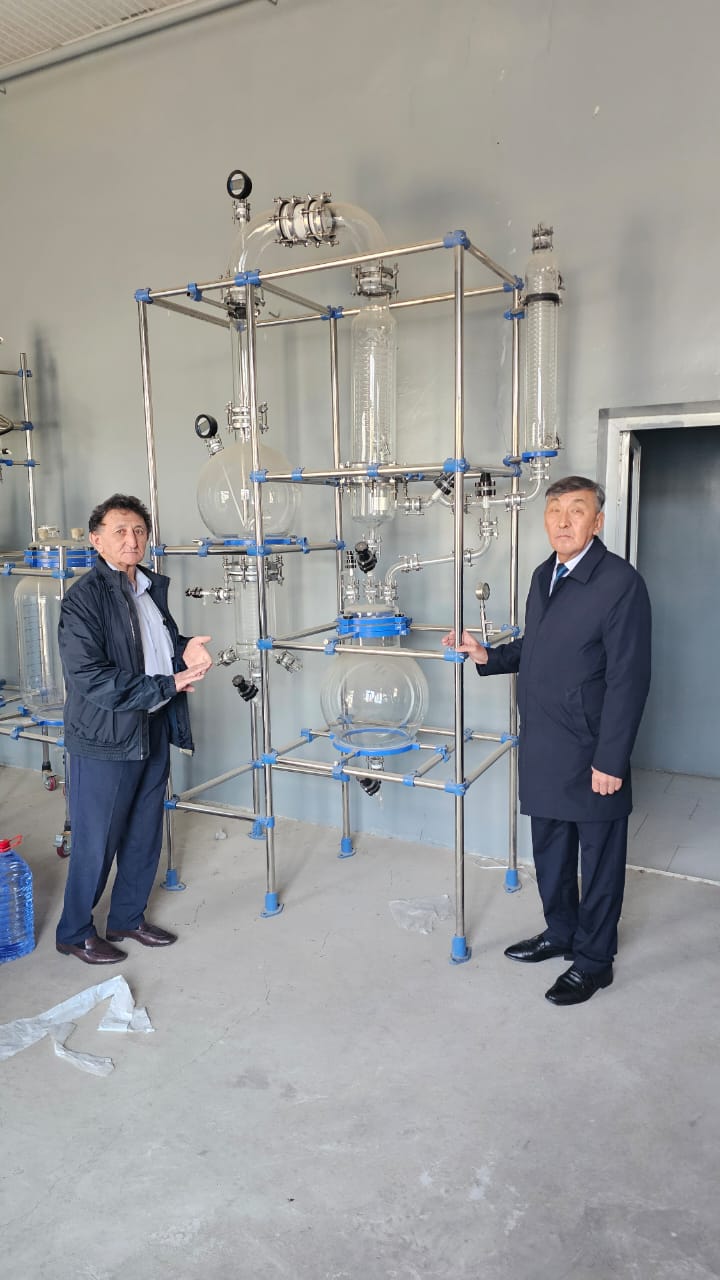
During the conference, Academicians S.M. Adekenov and B.I. Tuleuov visited the Bioplantek pharmaceutical manufacturing facility, which specializes in the production of herbal medicines based on plant-derived ecdysteroids and flavonoids. The company is headed by Dilshot Turakhodjaev. Its scientific consultant is Marat Turakhodjaev, Candidate of Technical Sciences. Bioplantek has established the manufacture of solid dosage forms, including tablets and capsules, based on plant extracts.
 |
 |
 |
In particular, the company produces a dietary supplement derived from an extract of Ajuga turkestanica, containing up to 5% turkesterone and 7% ecdysterone. Approximately 70,000 packs of this product are manufactured for export to the United States. Overall, the company manufactures more than ten products, including Ferula Max, Ekditon, Anabasis, Turk Builder Max, Turk Builder Platinum and Turkesterone (Ajuga Turk substance), primarily for markets in the United States, Japan and Europe.
The company expressed interest in Kazakhstan-sourced plant material from Serratula coronata, which contains ecdysteroids and flavonoids.
A proposal was made to the Uzbek partners to expand the pharmaceutical production facilities of JSC Research and Production Center Phytochemistry in Karaganda by installing additional extraction equipment for processing Serratula coronata raw material. Under the proposed cooperation scheme, the resulting dry extract would be shipped to Bioplantek in Tashkent for the manufacture of finished products. Bioplantek will prepare an agreement on scientific and technical cooperation and submit it to JSC Research and Production Center Phytochemistry. Scientific and Technical Cooperation with the Institute of the Chemistry of Plant Substances.
Meetings and negotiations were also held with representatives of the Institute of the Chemistry of Plant Substances of the Academy of Sciences of the Republic of Uzbekistan, including Academician Sh.Sh. Sagdullaev, S.Z. Nishanbaev, PhD, and I.D. Shamyanov. The Uzbek partners expressed interest in conducting joint research aimed at identifying insecticidal agents against termites, which cause extensive damage to buildings of historical and cultural significance. An Agreement on Scientific and Technical Cooperation for 2026–2028 has been concluded with the Institute of the Chemistry of Plant Substances of the Academy of Sciences of the Republic of Uzbekistan.